

What is Blepharoplasty?
Blepharoplasty, also known as eyelid surgery, is a cosmetic procedure to improve the appearance of the eyelids. Blepharoplasty can be performed on the upper eyelids, lower eyelids, or both.
The most common reason for blepharoplasty is to remove excess skin that hangs over the eye and affects vision. Blepharoplasty can also be done to remove fatty deposits that make the eyelids appear puffy. In some cases, blepharoplasty is done to tighten loose or sagging skin around the eyes.
The most common reason for blepharoplasty is to improve the appearance of the eyelids. It can make you look more rested and refreshed and can help The procedure is usually performed as an outpatient procedure, which means you won’t have to stay in the hospital overnight.
What are the Causes of Excess Eyelid Skin?
There are many reasons why someone might have excess eyelid skin. The most common cause is ageing. As you age, your skin becomes thinner and loses its elasticity. This can cause the skin around your eyes to sag. Other causes of excess eyelid skin include sun damage, smoking, and genetics.
What Happens During the Surgical Procedure?
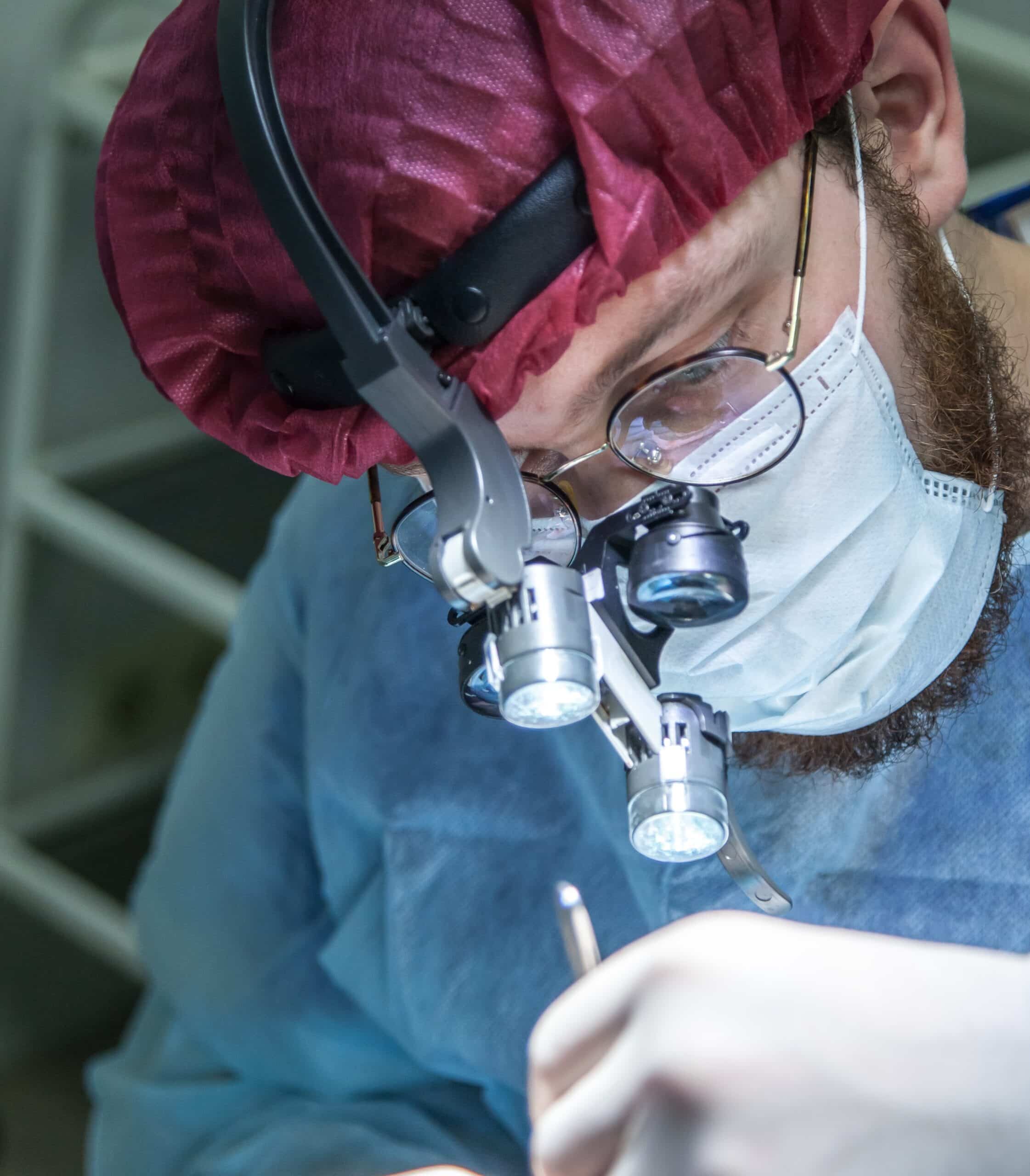
During the procedure, your surgeon will make incisions in the natural lines of your eyelids. They will then remove excess skin, fat, and muscle. The incisions will be closed with stitches.
9 Tips to Speedy Recovery After Eyelid Surgery
After the surgery, you will rest in a recovery area for a few hours until the anaesthesia wears off. You may have some bruising and swelling around your eyes. This is normal and will go away over time.
You will be given a list of instructions to follow during your recovery. It is important to follow these for a speedy recovery after eyelid surgery. Along with the aftercare advice provided by your healthcare professional, the following tips can also help your recovery process.
- Rest and relax for the first few days after your surgery. You may feel tired and sore, but this is normal. Avoid strenuous activity for at least a week, as this can cause bleeding and swelling.
- Apply ice packs to your eyes for the first few days after surgery. The cold will help to reduce swelling.
- Take your medications as prescribed. You may be given antibiotics to prevent infection and painkillers to help with any discomfort. It is important to take these as directed.
- Keep your head elevated when lying down or sleeping. This will also help reduce swelling and help the fluid drain.
- Avoid rubbing or touching your eyes, as this can cause irritation and bleeding. Also, if you wear contacts or glasses, avoid putting them on for at least a week, or ensure glasses are clean and try only to wear them for short periods.
- Avoid makeup or creams around the eyes for at least a week after surgery. Most chemicals and products will irritate the area, causing discomfort or even infection. Ensure that you only apply any products or creams that are recommended or permitted by your medical professional.
- Use eye drops to help keep your eyes lubricated and comfortable. Your surgeon will likely prescribe eye drops for you to use during your recovery.
- Protect your eyes from the sun with sunglasses. You might find that your eyes are more sensitive to light after the surgery. Wearing sunglasses can help reduce this discomfort and also protect your eyes from the sun’s harmful UV rays.
- Follow up with your surgeon as scheduled for check-ups and to have any stitches removed. Always ensure that you follow all post-treatment advice and use any medications or creams that are prescribed by your medical professional.
Where Can I Find More Advice?
If you’re considering going under the knife or just want more information about the procedure before your appointment, The Medical Eye Clinic can help.
Based in Exeter, Devon, The Medical Eye Clinic provide treatments and surgeries to help improve eye health. The team of ophthalmologists and optometrists are qualified and expertly trained to give medical advice and carry out several medical and aesthetic treatments.
On their website, you can find more information in relation to blepharoplasty as well as booking information if you are interested in attending a consultation meeting to discuss having the treatment yourself.


