

What is fibreglass?
Fibreglass is a man-made material that is made up of fibres of glass. It is often used as an alternative to metal or plastic because it is lightweight and strong. Fibreglass has many uses, from boatbuilding to car repairs. In this blog post, we will discuss the different ways fibreglass can be used and how to repair fibreglass if it becomes damaged.
History of Fibreglass:
Fibreglass was first developed in the early 1930s as a lightweight alternative to traditional materials such as wood and metal. How was it discovered? The fibreglass was discovered by a team of researchers at the Owens-Corning Fiberglass Company. The fibres would be used to create durable and lightweight fibreglass products.
Since then, fibreglass has become a popular choice for many industries due to its durability and strength.
Chemical Make-Up of Fibreglass:
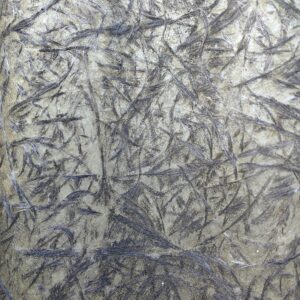
Fibreglass is made of fibres of glass that are held together by a resin. The fibres are usually spun into yarns, woven into fabrics, mats or chopped strands and then combined with the resin to form fibreglass products.
How is fibreglass produced?
Fibreglass is produced by combining fibres of glass and resin together. This process can involve various machines such as grinders, choppers, rollers and pressers. The fibres are then cut, rolled into mats and/or fabrics, combined with resin and then heated until the fibreglass product is formed.
Different types of fibreglass:
There are two main types of fibreglass: E-glass and S-glass.
E-glass fibres are the most commonly used fibres and are known for their strength and durability. They are often used in a variety of industries such as boatbuilding, automotive, architecture and aerospace.
S-Glass fibres are softer than E-glass fibres but are known for their ability to resist stress and impact. They are often used in applications such as rock climbing, skydiving, extreme sports and military equipment.
Is fibreglass safe for humans?
Yes, fibreglass is a safe material for humans. In general, fibreglass products are non-toxic and do not pose any serious health risks. However, fibreglass fibres can cause skin irritation or eye irritation if they come into direct contact with the skin or eyes.
Uses for Fibreglass:
Because fibreglass is lightweight and strong, it has many uses. It is often used to build boats, car bodies and fibreglass pools. Fibreglass can also be used in aircraft, construction and engineering projects as well as furniture manufacturing.
Examples of fibreglass use:
– Boats: fibreglass is often used to build boats due to its lightweight and strong properties.
– Aircraft: fibreglass can be used as an alternative to metal in aircraft construction.
– Automotive repairs: fibreglass can be used in automotive repairs such as repairing car bodies and making fibreglass parts for cars.
– Furniture: fibreglass is often used in furniture manufacturing due to its strength and flexibility.
– Construction: fibreglass can be used as a lightweight and strong alternative to traditional building materials.
How is it used in boats?
Fibreglass is often used to build boats because it is strong and lightweight. It can be moulded into any shape, which makes fibreglass an ideal material for boatbuilding. Fibreglass is also resistant to corrosion and water damage, so it’s a good choice of material for boats that will spend time in the ocean or lake.
How is it used in cars?
Fibreglass is often used to repair car bodies because it is light and strong. It can be moulded into any shape, making fibreglass an ideal material for repairing cars. Fibreglass can also be used to create custom body panels or spoilers.
How is it used in construction?
Fibreglass has excellent insulating properties, so it can help to keep buildings warm and energy efficient.
How can fibreglass be repaired?
Fibreglass can be repaired using a fibreglass repair kit. This kit includes fibreglass resin, fibreglass cloth and fibreglass matting. It also includes tools like scissors, razors, sandpaper and a brush for preparing the fibreglass surface before repairing it. Once the fibreglass surface is prepared, fibreglass resin can be applied and fibreglass cloth or matting can be used to cover the damaged area.
Fibreglass repair process:
1. Prepare the fibreglass surface by sanding it and removing any dirt or debris.
2. Apply fibreglass resin to the damaged area.
3. Place fibreglass cloth or matting over the damaged area and press down firmly so that it adheres to the fibreglass resin.
4. Allow the fibreglass resin to dry completely.
5. Sand down any uneven areas and apply a coat of fibreglass paint for protection.
How to prepare a surface:
Before fibreglass can be repaired, the damaged area must be prepared. This involves cleaning the fibreglass surface and removing any loose fibres or material. Once the surface is clean and smooth, it should be lightly sanded to create an even surface for the fibreglass repair kit to adhere to.
Conclusion:
Fibreglass is a strong yet lightweight material that has many uses in boatbuilding, car repairs, aircraft manufacturing and construction projects. It can also be used to repair fibreglass surfaces with a fibreglass repair kit. To ensure that the fibreglass is properly repaired, the fibreglass surface must be prepared by sanding it and removing any dirt or debris before applying fibreglass resin and fibreglass cloth or matting. Following these steps will help you make sure your fibreglass repairs are successful.


