
Inflatable structures are a great way to provide protection against floods and other water-related disasters. They are easy to deploy and maintain, as well as being lightweight and easily stored.
With these advantages, inflatable water dams are becoming an increasingly popular solution for areas prone to flooding or erosion.
What are Inflatable Structures and How Do They Help?
Inflatable structures are temporary, lightweight, and easily constructed barriers used for a variety of projects. The inflatable structure is made from a flexible material that can be filled with air or water depending on the application.
They have many uses, including flood protection, erosion control, water storage, diversion and retention dams, marine construction applications, and other water-related projects.
Benefits of Inflatable Structures
• Inflatable structures are lightweight, flexible, and easy to deploy
• They provide protection against floods, erosion, and other water-related disasters
• Available in a variety of shapes and sizes to suit any project requirements
• Quickly set up, maintain and store for repeated use
• Cost-effective solution compared to traditional construction methods
• Easy to transport and install in remote or hard-to-reach locations
Different Types of Inflatable Structures:
Inflatable structures are available in a variety of shapes and sizes, which can be tailored to the specific needs of each project.
- Decontamination Unit
- Explosive Bin Protection
- Isolation Unit
- Security Control Zone
- Flood Defences
- Erosion Control
- Water Storage
- Impact Barriers
- Water and Pillow Tank
- Onion Tank
What are Inflatable Water Dams?
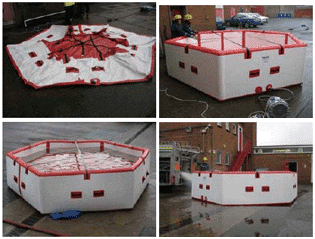
Inflatable water dams are a type of inflatable structure that is used for flood control and other water-related projects. They are made from a durable fabric material, typically PVC or reinforced nylon, which is filled with water to create an effective barrier.
Inflatable water dams can be quickly deployed in areas at risk of flooding, providing a temporary solution until a more permanent solution can be put in place.
How Do Inflatable Water Dams Work?
Inflatable water dams are typically deployed in an area that is prone to flooding or erosion due to the overflow of a nearby river or body of water. The dam works by blocking and diverting the flow of water, helping to prevent flooding and property damage.
As the water levels rise, more air is added to the flexible material making up the dam until it reaches the desired height. The inflatable structure can also be filled with water, allowing for increased stability and strength during heavy floods.
How do they stop flooding?
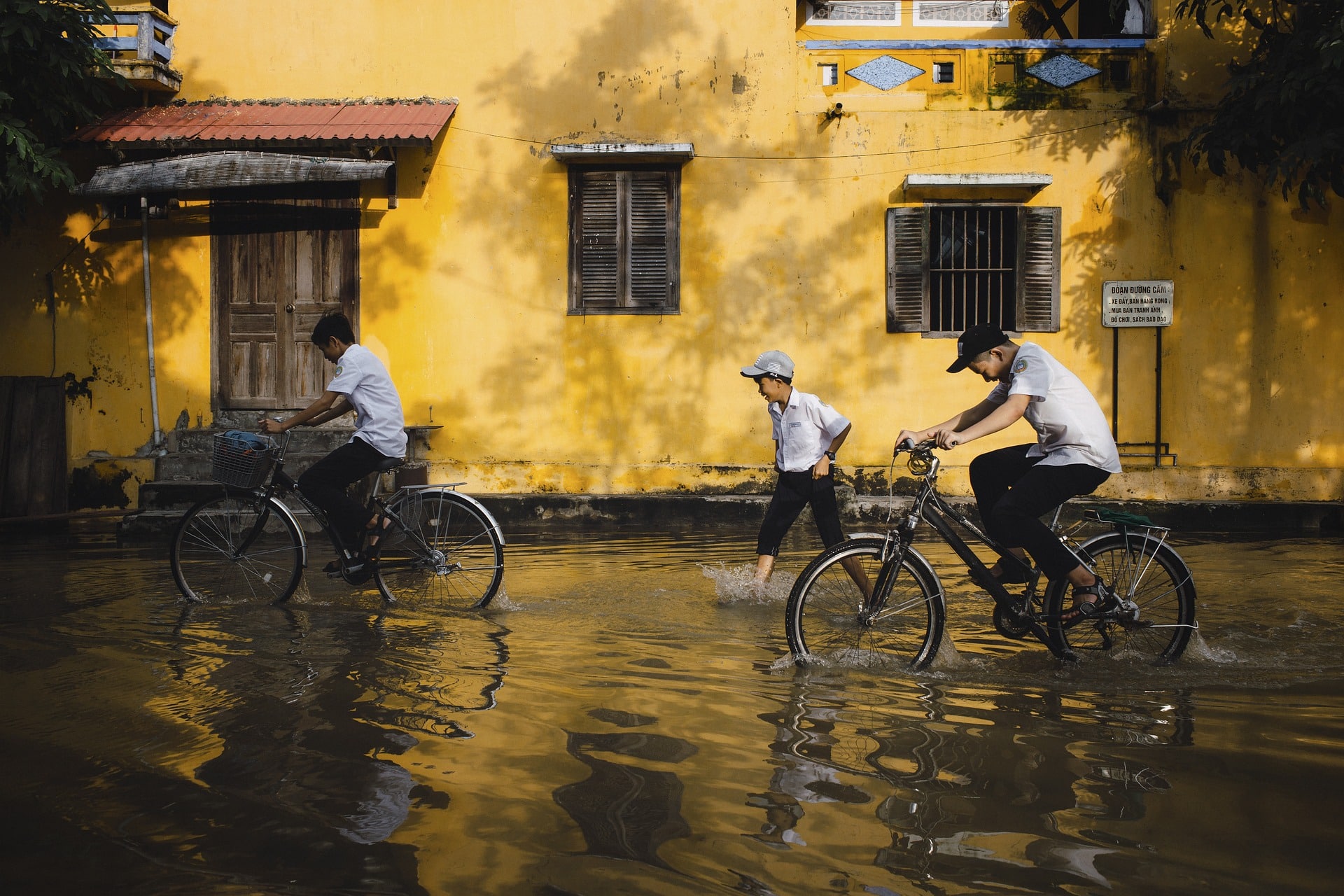
Inflatable water dams are designed to prevent flooding by creating a barrier that blocks and diverts the flow of water. This allows for increased protection against erosion and property damage caused by rising water levels.
The inflatable structure also acts as a buffer, providing an area in which excess water can be safely diverted away from vulnerable areas.
How do they stop erosion?
Inflatable water dams help to prevent erosion by creating a barrier that prevents water from washing away soil and vegetation.
Who Do Inflatable Water Dams Help?
Inflatable water dams help prevent flooding and property damage in areas that are prone to this natural disaster. They also aid in preventing soil erosion, as the water is diverted away from the land before it can cause any damage.
In addition, inflatable water dams can be used to create storage areas for excess stormwater or other water sources, providing an alternative to traditional water storage structures.
Inflatable water dams are used by governments, organisations, and individuals. They are often employed by municipalities in areas prone to flooding or erosion. They can also be used by private companies for various construction projects and water diversion applications.
Water Dams and Fire Fighting
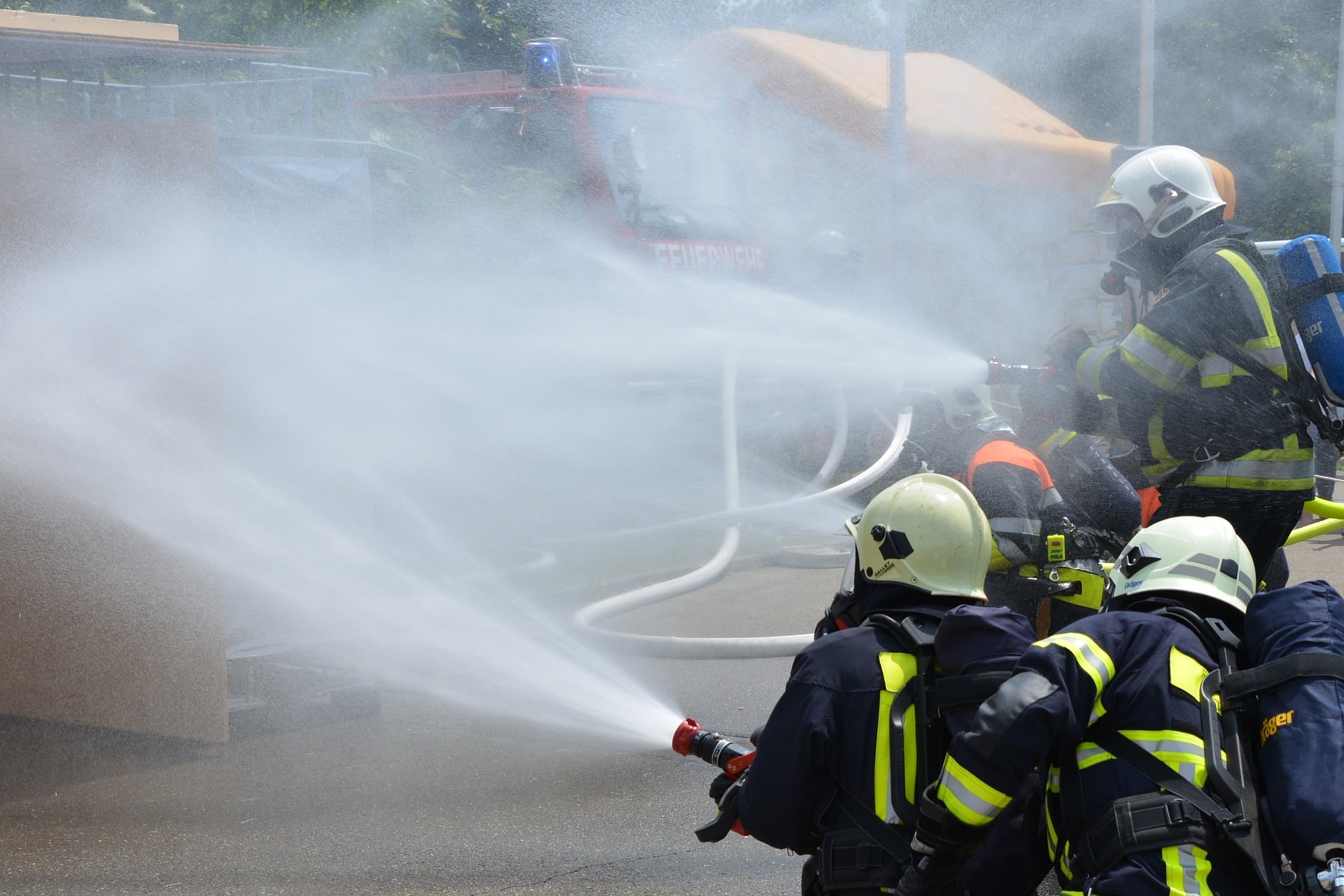
In addition to offering protection against floods, inflatable water dams can also be used in firefighting operations. The dams are able to contain large amounts of water, which can then be used to extinguish fires or protect areas from fires spreading.
How Are Inflatable Water Dams Deployed?
Inflatable water dams are typically deployed using a remote-controlled truck, crane, or helicopter. The dam is then connected to an air pump that allows for inflation and deflation of the structure as necessary.
The entire process can be completed in a few hours, allowing for quick deployment and efficient water management.
How Are Inflatable Water Dams Maintained?
Inflatable water dams require regular maintenance in order to ensure they remain in good condition and functioning properly.
This includes checking the structure for any damages or leaks, as well as ensuring that the air or water levels remain at the desired levels.
Regular maintenance also helps to ensure that the structure remains in place and does not drift away due to strong currents or wind.
How Are Inflatable Water Dams Stored?
Inflatable water dams can be easily stored after use, as they are lightweight and compact when deflated. The structure can be folded and stored in a dry, secure location until needed again. This makes them an ideal solution for areas where flooding or erosion is a frequent issue.
In conclusion, inflatable structures have become invaluable tools for water management and flood prevention. They are easily deployed, maintained, and stored, making them ideal for areas that experience frequent flooding or erosion.
With their versatile uses and cost-effective nature, inflatable water dams are sure to become an even more popular solution for water management in the years to come.


