

Have you noticed that most of the buildings have an extra finishing coated on them to give them a new look? That is what claddings are for! Claddings are essential parts of buildings as they act as a protective layer to remain the structure’s integrity. However, finding good claddings from reputable suppliers such as Mac Home Improvements is as important!
What are claddings?
Claddings can be seen as a protective layer that is seen on walls or roofs of buildings. Cladding is a crucial component in a building as it does not just determine the aesthetics of the building, but it’s also a component that provides protection to the building.
There are many types of claddings that are made out of different materials, and there are also many different ways to install the claddings. Different types of claddings offer different aesthetics and functionality.
What Are The Types Of Claddings Available?
uPVC Cladding
uPVC cladding is a material that is almost maintenance-free, as there is absolutely no need to keep an eye on the cladding after it has been installed. You can leave it exposed and it will remain the same, both aesthetically and functionally. Due to its nature, it is one of the materials with the highest value for money.
Besides, uPVC can handle the worst weather conditions, The properties of uPVC such as water resistance and strong structural integrity have led to its ability to withstand rain, shine or wind.
Stone Cladding
Stone cladding is one of the most common materials used for cladding, but it can be very expensive depending on the type of stone chosen. However, it is definitely one of the most aesthetically pleasing choices, as it gives the building a natural and elegant appearance.
Aside from the aesthetics, its durability of it is almost unrivalled, and it’s comparable to uPVC claddings. Stone claddings are usually made out of natural or synthetic stones, and it preserves the weatherproof properties that will protect your home, making it very easy to maintain.
Another special element about stone claddings is the extraordinary insulation ability to maintain temperatures. For those who seek to save electricity costs, stone cladding is the one for you as it significantly reduces your heating or cooling costs.
Wood and Timber Cladding
Wooden cladding is the most conventional cladding method, as it is one of the earliest materials to be utilized for cladding. Wooden cladding is a very durable material, but it requires constant maintenance and proper positioning. Typically, wooden claddings are able to last for around 50 years with proper maintenance.
To those who are looking for more sustainable options, wooden cladding is mostly made out of timber, which is a renewable material. It is also the best carbon-neutral material out of all the other materials.
Buildings are normally seen in the city, but buildings with wooden claddings strikes the eye, as it is a great contrast. Wooden claddings are definitely more aesthetically pleasing and an eye-catcher within the presence of a concrete jungle.
Glass Cladding
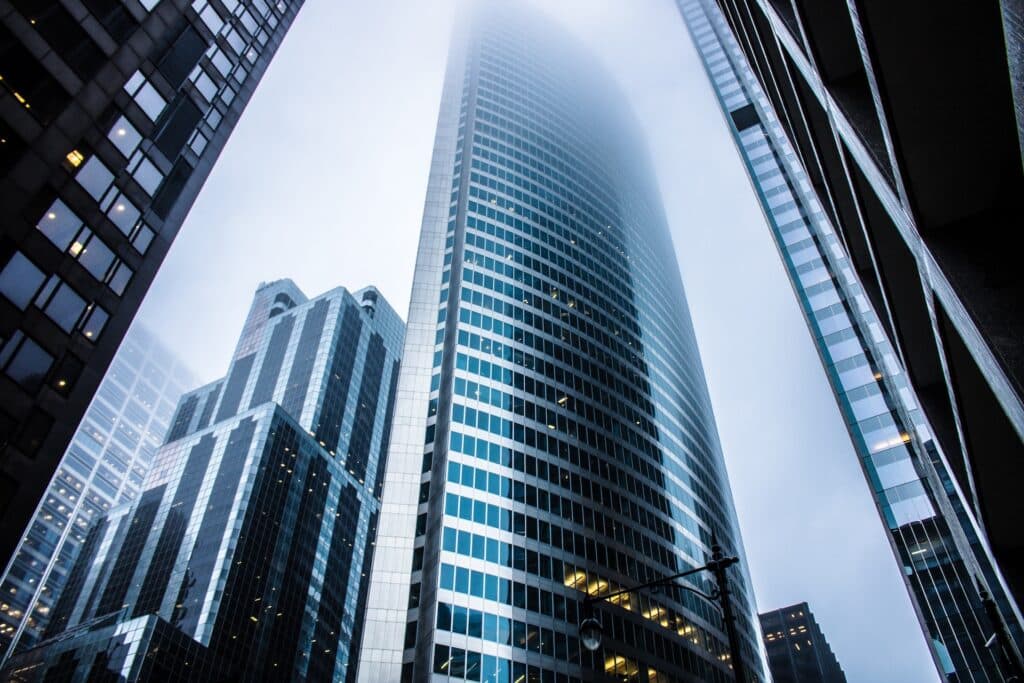
Glass claddings are one of the architect’s favourite claddings, as glass claddings give a modern touch to any building. In the city, buildings usually use glass facades widely, as it looks modern and shiny. Glass facades are bonded with many corporate designs, which is why buildings with glass facades tend to be more expensive as well.
Glass claddings are widely used in tall buildings, as it allows people to enjoy the city view from above, benefiting the people who are working inside. Glass is also a flexible material, and it can be easily bent into various shapes, providing more design opportunities.


