

Are you considering switching over to electric vehicle (EV) ownership, or have already made the leap? Congratulations on taking such a significant step towards creating a greener world!
EV Charger Installation Cardiff: Let’s make life greener together.
Now, let’s focus on another equally crucial topic – charging your EV. While public chargers are becoming increasingly accessible around Cardiff, having your charger at home can make all the difference when starting each day off on the right foot – no more searching for available public charging stations!
Sounds promising? In this guide, we’ll take you through everything you need to know about EV charger installation in Cardiff – from types of chargers available, installation procedures and costs, etc. Let’s get going!
What Is Electric Vehicle Charging (EV Charging)?
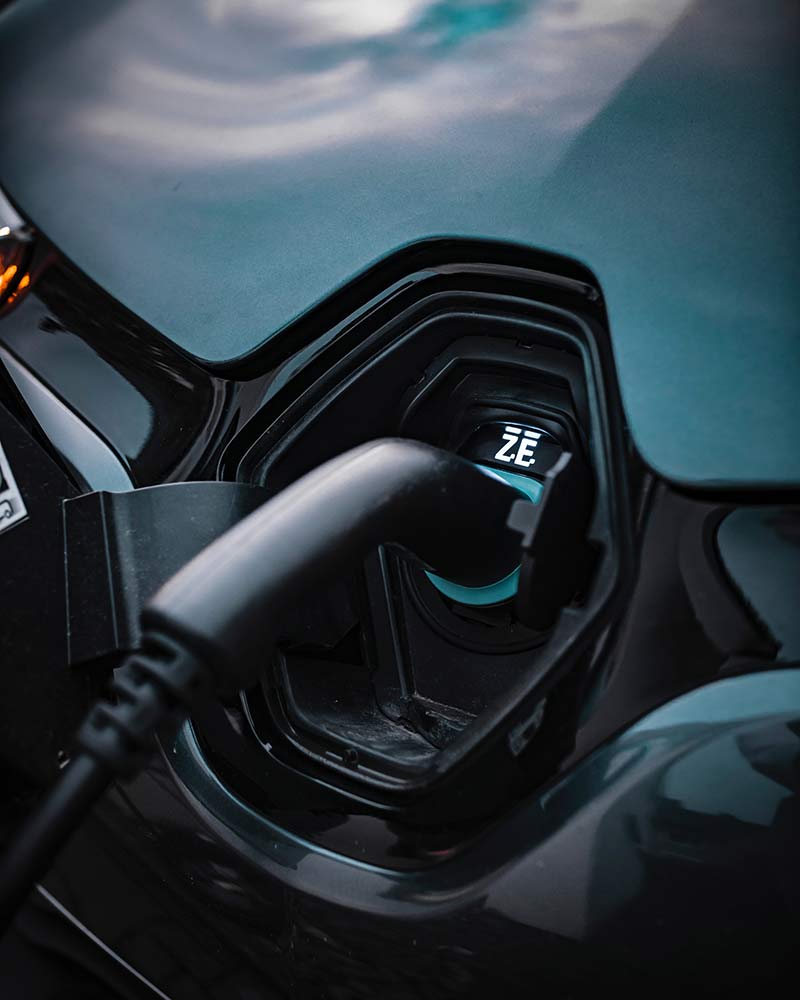
Electric Vehicle (EV) Charging refers to the process of providing electricity from a power source into the battery of an EV vehicle. This involves converting electrical energy from the grid into forms suitable for storage by its battery and use by its user. How Does EV Charging Work? [sources of energy for charging],
The charging process involves several key components.
* Electric Vehicle Supply Equipment (EVSE): This equipment supplies electrical energy to electric vehicles, consisting of charging stations, power cables and connectors that plug directly into their systems.
* Onboard Charger: An onboard charger is a device built into electric vehicles that converts alternating current (AC) from an EVSE into direct current (DC), which the battery can store. In addition, this charger controls its rate to ensure safe and efficient battery charging.
* Battery: An energy storage component of an electric vehicle is its battery. It stores electrical energy until needed to power the vehicle itself.
Charging Connectors
Electric vehicles use various charging connectors, and it is essential that the appropriate one be chosen for your ride. Some of the more popular examples include:
* Type 1 (J1772): Most electric vehicles in North America and Japan use this connector, compatible with both Level 1 and Level 2 charging.
* Type 2 (Mennekes): Most European electric vehicles employ this standard connector that supports both Level 1 and 2 charging.
*CHAdeMO: This fast charging connector is commonly found on Japanese electric vehicles such as Nissan and Mitsubishi, among others.
* CCS (Combined Charging System): CCS is a DC fast charging connector used by most European and American electric vehicles, typically consisting of either the Type 1 or 2 connector with two additional DC pins for fast charging.
Note that charging speeds depend upon both the battery capacity of your vehicle and its charger’s output power.
Why choose Smart Home Charge?
Smart Home Charge is one of the leading providers for electric vehicle (EV) charger installations in the UK and is therefore often chosen by owners to install their chargers. Below are a few benefits of choosing them for EV charger installation:
Expertise and Experience Smart Home Charge boasts a team of certified installers with years of experience who have completed thousands of installations across the UK. Their knowledge ensures a smooth installation process while making sure that the charger is installed and configured according to your specific needs.
Smart Home Charge offers a comprehensive selection of charging solutions from top manufacturers like Tesla, Pod Point and EO so that you can choose a charger to meet your specific needs, budget and electric vehicle specifications.
Home Charging Made Simple
At Smart Home Charge, they strive to make home charging as straightforward as possible. Their online quote tool makes getting an estimate fast, while their customer service team are on hand 24/7 for any inquiries or guidance throughout the entire process.
Smart Home Charge is an approved installer for the Office for Zero Emission Vehicles’ grant scheme, making them available to UK citizens to apply for up to £350 worth of grants for installing home chargers through an OZEV grant.
Smart Home Charge offers a complete installation service, from site survey, installation, testing and commissioning of the charger through OZEV grant approval and registration of your charger.
Once installation is complete, Smart Home Charge offers ongoing support to ensure the charger continues operating efficiently. They offer warranties on their work and offer customer service support that is always ready and willing to help address any concerns or answer any queries that arise from users.
Smart Home Charge is dedicated to creating sustainable transportation and reducing its carbon footprint through their operations. They actively support electric vehicle ownership while offering charging solutions that make EV ownership more convenient and accessible.
Types of Electric Vehicle Chargers
Your selection of an electric vehicle (EV) charger depends on a variety of factors, including compatibility, daily driving range and desired charging speed preference. Here are the most prevalent types of EV chargers.
Level 1 Chargers
The most basic and standard type of charger, Level 1 chargers are ideal for overnight charging or vehicles with smaller battery capacities. Utilizing a 120-volt AC plug and household outlets, they deliver three to five miles of range per hour of charging – making them suitable for overnight charging as well.
Level 2 Chargers
These chargers feature a 240-volt AC plug similar to that found on household appliances like ovens and dryers. Level 2 chargers typically provide 10 to 60 miles of range per hour of charging depending on both its power output and battery capacity; public charging stations often utilize this type of charging technology, while many EV owners also install one at home for faster recharging times.
DC Fast Chargers
As their name implies, DC fast chargers use direct current (DC) instead of alternating current (AC). As such, these chargers offer fast EV charging with up to 100 miles of range in 20-30 minutes – however they tend to be more costly and are only compatible with certain electric vehicles. You’ll typically find DC fast chargers at public charging stations on highways or commercial areas.
Home Chargers
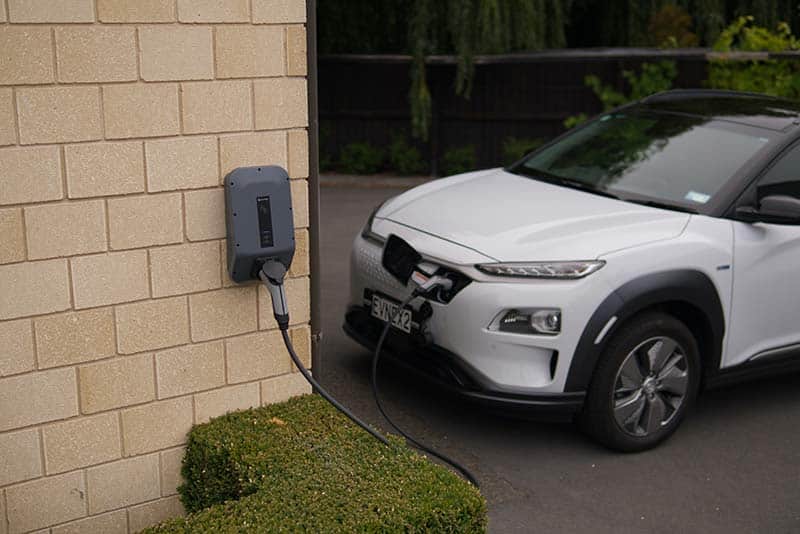
Residential chargers are built specifically for residential use and can either be Level 1 or 2. Usually installed on walls, these chargers often include smart features that allow users to schedule charging sessions, monitor energy use and remotely manage them using smartphone apps.
Public Chargers
Public chargers can be found in areas such as shopping centers, parking lots and highways, with Level 2 or DC fast chargers being popular options; some of which may even require payment or subscription plans to use.
Finding an electric vehicle charger that meets both your charging needs and those of the vehicle itself is of utmost importance. Furthermore, power output of the charger as well as battery capacity will have an effect on charging speed.
Installation Process in Cardiff
Establishing an electric vehicle (EV) charger at home in Cardiff involves multiple key steps that are designed to provide a safe and effective charging experience. Here is an outline of this installation process.
Before installing an electric vehicle (EV) charger on your property, a site survey should be performed in order to assess its suitability for installation. This may involve checking your electrical capacity, electrical panel location and where you intend to locate your charger. Depending on its scope and location, this survey could either take place physically or remotely using photos and video calls.
Quotation
Following your site survey, you will receive a quote for installation that will include the cost of the charger, any additional equipment necessary, and labor fees for its setup. If eligible for OZEV grants from UK government bodies (Office for Zero Emission Vehicles (OZEV), these grants may also be included in your quotation.
Installation
Installation involves several key steps.
* Electrical Upgrade: An upgrade may be necessary in order to increase the capacity of your electrical panel to handle the additional load created by an EV charger.
*Cable Routing: An installer will route the cable from your electrical panel to where your charger will be installed, either through drilling holes or trenching depending on your property layout.
*Charger Installation: Once mounted to either a wall or pedestal, its cable will connect between it and an electrical panel.
Testing: Once installation has been completed, an installer will test the charger to make sure it operates efficiently and safely.
Documents
Your installer will provide all necessary documents, such as an installation certificate, user manual and warranty information. If you have applied for an OZEV grant, they will also fill out all the required paperwork on your behalf for grant submission.
Commissioning
Once installation is complete, the charger will be commissioned. This process involves configuring its settings, connecting to your home network if it is smart charger compatible, and providing guidance on how to operate and use the charger.
What Makes Cardiff Appropriate for EV Chargers?
Cardiff has made great strides toward sustainable transportation and carbon reduction. Here are several reasons Cardiff makes an excellent candidate for electric vehicle (EV) chargers:
Cardiff Council has made an outstanding effort to reduce carbon emissions within Cardiff city and set ambitious targets to achieve this. Their comprehensive transport plan also supports electric vehicle adoption while increasing charging stations throughout Cardiff city.
Cardiff Is Witnessing an Increase in Electric Vehicles There has been an exponentially increasing interest for electric vehicles among Cardiff residents as more are making the switch towards cleaner transportation options. As more residents switch, there has also been an increased need for chargers in both public and residential settings.
Government Support
Both the British and Welsh governments offer support for installing electric vehicle (EV) chargers. The Office for Zero Emission Vehicles (OZEV) offers grants that can significantly lower installation costs.
Cardiff has invested actively in its transportation infrastructure, from cycling paths and pedestrian areas to public transportation and the EV charging infrastructure expansion supported by local authorities.
Public Interest and Awareness
Cardiff residents demonstrate strong concern and interest regarding environmental issues. Many seek ways to lower their carbon footprint, supporting initiatives that foster sustainability such as expanding EV charging infrastructure.
Cardiff offers many skilled EV charger installers, like Smart Home Charge, who provide professional installation services to ensure that the installation process runs smoothly and all chargers are correctly set up and configured.
How Much Does it Cost to Install an EV Charger in Cardiff?
The costs involved with installing an electric vehicle (EV) charger in Cardiff can depend on several factors, including type, installation complexity and whether or not grants or incentives apply.
Charger Cost
A major part of overall charging cost is its charger itself. Level 1 chargers tend to be the least costly option, typically costing between PS100-PS300; level 2 chargers – typically used in home installations – tend to range in cost between £400-£800 but may go as high as £1,200 for more advanced models with advanced features.
DC fast chargers tend to be among the more costly options, typically starting at approximately £5,000 and reaching upwards of £20,000 or more.
Installation Costs
Installation costs vary widely depending on the complexity of an installation project, from simple installations where a charger is close to an electrical panel and cable routing is straightforward, to complex installations which may cost between £200-£400 for proper cable routing and charging infrastructure installation.
But, if the installation requires more complex solutions – for example, an electrical upgrade, extensive cable routing or even installing a separate meter – costs can easily exceed £1,000.
Government Grants
The UK Office for Zero Emission Vehicles (OZEV) offers grants that cover up to 75% of charger installation costs up to £350 per installation site, for home and workplace charger installations.
To be eligible for this grant, an OZEV-approved installer and installation meeting certain criteria must be used. Please be aware that its availability may change or it could even expire altogether.
Additional Costs
Installation may incur additional expenses, for example if a permit or separate electrical meter are necessary for installation. Furthermore, smart chargers may incur ongoing subscription fees to maintain service.
How Fast Can an Electric Car be Charged at Home
The speed with which your electric vehicle (EV) can be charged at home will depend on several factors, including its type of charger, battery capacity and maximum charging rate capacity.
Type of Charger There are three primary categories of EV chargers: Level 1, Level 2 and DC fast chargers.
Level 1 Chargers: These chargers typically come standard with most electric vehicles and can be plugged into regular household outlets for charging. Generally they produce around 1.4kW to 2.4KW of power output and offer the slowest option for charging an EV; typically taking 8-20 hours to fully charge up a 40kWh battery using this method.
Level 2 Chargers: These chargers feature power output between 3.7 kW to 22 kW and can significantly shorten charging time compared to Level 1 chargers, taking approximately 4-12 hours for full charge of a 40 kWh battery depending on its power output and maximum charging rate of the vehicle.
DC Fast Chargers: DC fast chargers are among the fastest available, producing power output of 50kW or greater. However, due to their higher costs and power requirements they are usually found only in public charging stations located along highways or commercial areas.
Battery Capacity Your vehicle’s battery capacity, measured in kilowatt-hours or kWh, has an impact on charging times as well. A larger capacity battery requires longer to fully charge; for instance a vehicle equipped with a 60 kWh battery could take longer to fully charge than one equipped with 40 kWh (assuming equal charging rates).
Maximum Charging Rate for Vehicle
Different electric vehicles offer various maximum charging rates. Some may accept charges at up to 7 kW while others can accept up to 11 kW or even higher rates.
Even with a high-power Level 2 charger, your maximum charging rate may still limit its ability.
What Are My Key Considerations when Installing an EV Charger in Cardiff? Installing an electric vehicle (EV) charger at home in Cardiff involves several important considerations to ensure a successful and smooth installation experience.
Types of Chargers
There are various types of EV chargers on the market, each offering different power output and charging speeds. Level 1 chargers offer slowest charging speeds but can still plug directly into an ordinary household outlet, while Level 2 and DC fast chargers may provide faster rates but tend to be too costly and power intensive for home installations.
Consider your daily driving distance, the maximum charging rate for your vehicle and whether or not it can be charged overnight or during off-peak hours when selecting an appropriate charger for you.
Location of Charger
The ideal placement for your charger should be near to where your vehicle is parked to reduce cable length requirements and easily accessible without impeding on pedestrian or vehicle traffic.
Electrical Capacity
Your home must have enough electrical capacity to support the additional load incurred from adding an EV charger, so upgrades may be necessary in your electrical panel or to add a dedicated circuit for it. A licensed electrician can assess your home’s electrical capacity and recommend any necessary upgrades.
Installing an Electric Vehicle Charger
The cost of installing an EV charger varies based on its type, installation complexity and whether any electrical upgrades are required. To get an accurate estimate of costs incurred when installing one from an experienced professional. Be sure to request a quotation from certified installers so you receive an estimate from a reputable service provider.
Government Grants
The UK Office for Zero Emission Vehicles (OZEV) offers grants that cover up to 75% of home and workplace charger installations up to £350; check whether you are eligible and make sure the installer is OZEV-approved before taking action.
Future-Proof Your Choice
Consider whether the charger you select will meet your future needs, such as when purchasing another EV or moving into a home with increased or decreased electrical capacities. Who Provides
Service in Cardiff?
Cardiff offers several companies and organizations offering EV charger installation services. Here are a few key providers:
Smart Home Charge is one of the leading providers of electric vehicle (EV) charger installations in the UK, and OZEV-approved. That means you may qualify for a grant to cover some of your installation cost.
Their selection of chargers from leading manufacturers includes pre-installation surveys, installations, and ongoing aftercare services.
Pod Point in Cardiff is another OZEV-approved installer of electric vehicle chargers and offers a selection of chargers suitable for home and commercial installations, along with site surveys, installations and ongoing support services.
Chargemaster (formerly BP Pulse) is one of the UK’s premier providers of electric vehicle charging infrastructure, offering home chargers as well as providing full installation services including home surveys, installation services and ongoing support and maintenance contracts.
Local Electricians in Cardiff
Cardiff boasts many professional electricians and electrical contractors that provide electric vehicle charger installation services, including RM Plumbing & Electrical Company which offer excellent services. To select an accredited and experienced EV charger installer it’s essential that they be found using online directories or through personal recommendation from friends or family.
Vehicle Manufacturers
Some vehicle manufacturers also provide installation services as part of purchasing an electric vehicle, like Tesla with their Wall Connector charger installation services. Be sure to inquire with your own vehicle manufacturer to see if this option exists for them.
Utility Companies
Some utility providers in the UK also provide EV charger installation services, like OVO Energy who offer full installation of their smart charger. Check with your utility provider to see if they provide this service and take note if it may be useful in meeting their EV charging needs.
What to Look For When Selecting an Electric Vehicle Charger Installer
Locating the right installer for your electric vehicle (EV) charger installation is key for its successful and smooth implementation. Below are a few key factors you should keep in mind when choosing an installer:
Certification
Before choosing an installer, ensure they are certified and accredited by relevant organizations. In the UK, installers should be accredited by the Office for Zero Emission Vehicles (OZEV) to qualify for government grants; additionally they should register with a trade body such as National Inspection Council for Electrical Installation Contracting (NICEIC) or Electrical Contractors’ Association (ECA).
Experience is key when it comes to installing electric vehicle chargers, so be sure the installer you hire has a proven track record in installing them successfully. Ask for references or case studies from previous installations as well as reviews or testimonials online from past customers.
Check Out Their Services
Before choosing an installer, assess their comprehensive range of services. A quality provider should offer pre-installation surveys, installation, commissioning and aftercare support as standard; some installers may even offer electrical upgrades or solar panel installation in addition to these essential offerings.
Compatibility
Before selecting an installer for your electric vehicle, be sure they offer compatible chargers that meet its charging requirements and connectors. Different cars may have unique charging specifications and connectors; therefore it is vital to find an EV charger suitable for your specific model.
Warranty and Aftercare Support
It is essential that the installer provides warranties and aftercare support on both the charger itself as well as installation work performed, in addition to ongoing aftercare support to ensure optimal functioning of your charger. A top installer will offer warranties on both components. Plus they’ll offer ongoing aftercare support to make sure it keeps working efficiently!
Cost Compare installation quotes from multiple installers to determine the overall costs involved with installation. Be sure to consider not only the charger cost but also any potential upgrades or ongoing subscription fees that might apply.
Government Grants
Verify whether your installer is OZEV-approved and whether your installation qualifies for an OZEV grant of up to 75% of installation cost, up to a maximum of £350. Learn more
Is an EV charger worth having in your home?
Home EV chargers are absolutely worth investing in
Convenience: Installing your own home EV charger provides convenience by enabling you to recharge your vehicle overnight and start each day with a full battery, eliminating the need to find public charging stations or wait in line for charging services.
Cost Savings: Charging at home can often be more cost-effective, especially if done off-peak when electricity rates are reduced. In addition, some electricity providers provide incentives or special rates specifically for EV owners who charge at home.
Time Savings: Charging at home saves time because it eliminates trips to charging stations or waiting for chargers to become available.
Encouraging EV Use: Installing a home charger helps alleviate “range anxiety”, or the fear that your battery will run out before reaching a charging station, making using your EV less daunting and stressful for daily commuter trips.
Increase Property Value: Homes featuring electric vehicle chargers have become more desirable to buyers as the popularity of EVs grows, making your home more marketable and increasing its value by installing an EV charger at home. Doing this may increase its marketability as well.
Environmental Advantages: By choosing to drive an electric vehicle and charging it at home, you can lower your carbon footprint and help decrease greenhouse gas emissions.
Though the initial expense can be significant, its benefits often outweigh them – including convenience, time savings and increased property values. Furthermore, government grants or incentives may exist that help offset installation costs. Is slow charging bad for EVs?
Slow charging an electric vehicle (EV) isn’t necessarily bad and, in fact, is often advised as part of daily maintenance to help increase battery lifespan and extend its useful life.
Here’s why: * Battery Life: In general, slow charging is better for battery longevity as fast charging generates more heat and stresses the battery more, potentially degrading capacity over time and shortening lifespan.
Efficiency: Slow charging is more energy-efficient than fast charging as fast chargers convert more of their energy to heat which wastes it all.
Convenience: For daily use, overnight slow charging can often suffice to fully recharge a vehicle’s battery, and may be more convenient since many vehicles remain parked overnight.
Fast charging can be useful and necessary in certain instances; for example, during long road trips when it may be necessary to quickly recharge quickly in order to continue on your journey. Most EVs feature battery management systems which protect them during fast charging sessions; occasional fast charging should not be harmful.
Are EVs better off charged at home or a charging station?
Deciding between home charging or charging station charging depends on many variables; both options offer distinct advantages.
Before making your decision, remember to carefully consider factors like cost, installation process and type of charger before making a choice. Together we can make Cardiff an eco-friendlier city for everyone!


