

Gutter cleaning is not just a nice-to-have, it’s a must-have to protect your property from the costly nightmare of water damage—and yet many homeowners seriously underestimate this critical maintenance task.
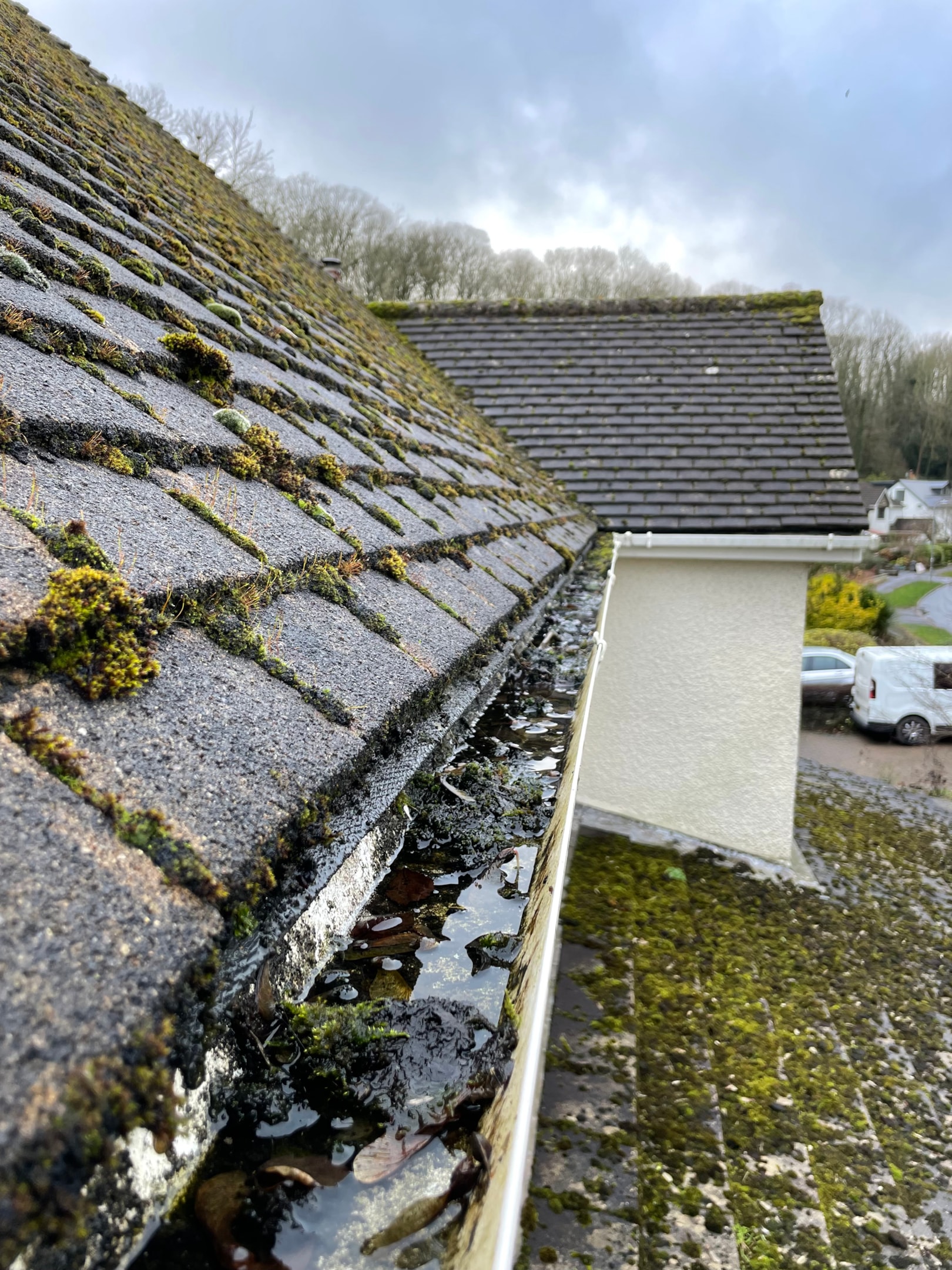
This practical guide shows you how to keep your house gutters in top condition, whether you decide to do it alone or call in the professionals. Clogged gutters can lead to water pouring down walls, which in turn causes structural damage, mould growth and foundation problems that’ll cost you thousands to put right.
What this guide covers
This comprehensive resource is packed with everything UK homeowners need to know about keeping their gutters in good condition:
- The basics of your gutter system, and how debris causes blockages in the first place
- How often to clean your gutters, depending on the type of property you own and the UK climate you’re in
- Step-by-step DIY cleaning methods using the right gutter cleaning tools for the job
- Safety tips for ladder work, and when to bring in the professionals
- Rough estimates of what you can expect to pay for professional gutter cleaning services in 2025
- Simple prevention strategies, including gutter guards and regular inspections
This guide focuses on routine cleaning and maintenance rather than full gutter replacement or complex roof repairs, but we will point you in the right direction if you need to explore those subjects further.
Who this is for
This guide is aimed at UK homeowners, landlords and small business owners who are responsible for managing their own gutter maintenance. Whether you own a 1930s semi in Cardiff with overhanging trees or manage a row of shops with complicated rooflines, you’ll find the advice in here relevant and helpful.
We’ll guide both those planning to tackle gutter cleaning themselves and those researching professional gutter services through the process and costs involved.
Why this matters
Regular gutter cleaning keeps your roof timbers, brickwork, exterior walls and foundations safe from water damage that occurs when clogged gutters overflow. A routine gutter cleaning service typically costs £60-£150. A small price to pay compared to the thousands you could shell out on damp-proofing, roof repairs or structural work if you don’t get it sorted.
Insurance companies and property surveyors are increasingly picking up on poor gutter maintenance in home reports, which can affect your cover and resale values.
What you’ll learn:
- How to spot the warning signs that your gutters need urgent attention
- The safest way to clean gutters on a typical two-storey home
- Optimal cleaning schedules for different UK climates and property types
- Realistic 2025 cost ranges for professional services and what affects prices
- How to reduce future cleaning needs through simple preventive measures and gutter guards
Getting to Grips with Your Gutter System
A gutter system is there to channel rainwater away from your property’s walls and foundations, keeping it from causing damage.
Cleaning gutters involves removing debris like leaves, moss, dirt, roof tile fragments and plant growth that builds up in the channels. Understanding how gutters, downpipes and drainage connections work together will help you spot where blockages typically form and focus your cleaning efforts in the right places.
The Key Components of a Typical UK Gutter System
Gutter runs are the horizontal channels that sit under the roof edges and collect rainwater. Brackets secure these runs to fascia boards, while joints and unions connect the straight sections around corners. End caps seal the system, and downpipes carry water vertically down to ground-level drainage.
Downpipe shoes direct water into gullies or surface drains. Debris tends to build up at corners, unions and downpipe inlets where the water flow slows. The fall or slight slope ensures water flows towards outlets rather than pooling in the system.
Cast iron systems in older properties may include hoppers—decorative collection boxes that feed into downpipes. Knowing how your specific system is configured will help you plan the most efficient cleaning routes.
Common Gutter Materials and Their Cleaning Needs
PVC-U plastic gutters (the most common type since the 1980s) handle pressure washing pretty well, but can crack in cold weather if they’re brittle.
Aluminium gutters resist rust but can dent easily, so they need a gentler cleaning approach.
Galvanised steel needs a bit of care when it comes to moss removal, to stop it corroding in damaged areas.
Cast iron gutters in period properties need particular care—use soft brushes and avoid pressure washers that could damage the traditional putty joints.
Asbestos-cement gutters (installed 1950s-1980s) should only be cleaned by specialists due to the risks of disturbing the material.
Different materials affect which gutter cleaning tools and techniques work safely—plastic gutters can take a bit of a beating, while heritage materials need a more gentle approach.
Why Gutter Cleaning is so Important
Blocked gutters create a domino effect: water pouring down exterior walls seeps into mortar joints, soaks into brickwork, and eventually causes internal damp patches, blown render and rotten fascia boards.
On a three-storey Victorian semi, persistent overflow at the rear can saturate the brickwork and cause mould in the top-floor bedrooms in a single wet winter.
Foundation damage occurs when overflow repeatedly soaks the ground around the property base, while roof leaks develop when backed-up water finds alternative routes through tiles or flashing.
Understanding this chain of problems shows just how important regular cleaning is in preventing a far costlier nightmare later on. Now that you get the hang of your gutter system, the next section explains how often to clean up based on your property type and local conditions.
How Often Should You Clean Gutters?
Cleaning frequency is all about your property type, the trees nearby and the local weather patterns.
There’s no one-size-fits-all rule, but there are some guidelines to help UK homeowners keep their gutters in good nick without breaking the bank or spending too much time on them.
Recommended Cleaning Intervals by Property Type
Terraced houses in urban areas with not many trees around usually need a good clear out once a year, best done after autumn’s leaves have fallen off.
Semi-detached houses with a few trees nearby are lucky. They can get away with doing it just twice a year, once after autumn and again in late spring after the winter storms have passed.
Then there are rural cottages or houses under a big old tree. These require a good clean 3-4 times a year because of all the organic debris that keeps getting dumped in the gutters.
Commercial units with a big roof area need to inspect and clean their gutters every quarter to stop water overflowing and causing damage to their business premises.
These frequencies depend on how fast debris is building up. Urban areas get more pollution residue, while tree-heavy locations get a constant stream of leaves and twigs that need a regular clear out.
Seasonal Factors in the UK Climate
Autumn leaf fall (usually around October-November) creates the biggest mess in your gutters, so it makes sense to give them a good clean then.
Winter storms can shift the debris around and create new blockages, and spring rains test whether the gutters are still working properly. The wetter parts of the UK like Wales and the North West get moss and leaves growing faster, meaning more regular cleaning, while drier areas can wait a bit longer.
Don’t worry about gutter work when the ground is icy—not only is it a safety hazard, but it can also damage the plastic gutters.
The storms that are becoming more common in the UK make post-storm inspections a good idea, even if you’re not due for a regular clear out just yet.
Warning Signs Your Gutters Need Immediate Attention
Watch out for these warning signs that you need to get your gutters sorted as soon as possible, whether it’s a DIY job or getting a professional in:
- Water spilling over the edges of the gutters during normal rain showers
- Green staining or moss growing on the walls below the gutters
- Sagging gutter runs or brackets starting to pull away from the facia board
- Plant growth coming out of the gutters or downpipes
- Water spots on your interior walls near the external corners
- Bird nests or obvious blockages you can see from the ground
The reality is, most homes in the UK need their gutters cleaned at least twice a year, properties with trees nearby need more regular attention. As soon as you see any visible overflow or damage, deal with it as soon as possible.
Now that you know when to clean your gutters, you’re ready to move on to the next section on how to go about it—including DIY approaches and when to get the professionals in.
Practical Gutter Cleaning Methods
Choosing the right way to clean your gutters depends on the height of your property, any access problems and how confident you are working at heights.
This section compares the different options from DIY ladder work to professional gutter vacuum systems, to help you decide which one is safe and effective for your situation.
DIY Ladder-Based Gutter Cleaning
Ladder cleaning is best for single-storey properties and confident homeowners tackling two-storey homes with decent ground conditions.
The process involves stabilising the ladder, working in small sections, removing debris into a bucket and flushing the cleaned section with a hose from the ladder position.
This hands-on approach gives you total visibility and control, letting you inspect for any dodgy brackets, leaky joints or early signs of wear.
However, ladder work above two storeys or on uneven ground is best left to the professionals for safety and insurance reasons. Additionally, never mix ladder work with pressure washers or heavy kits.
Modern ladders with stabiliser attachments are a big improvement, but the general rule still stands: if you’re unsure about ladder stability or working at heights, it’s best to go with ground-level methods or get a professional in.
Ground-Level Cleaning Tools and Gutter Vacuums
Telescopic poles with gutter cleaning attachments let you remove debris from the ground using long reach tools designed for this job.
Wet-and-dry vacuum systems with camera attachments let you monitor progress from the ground, especially useful around a two-storey home where ladder positioning becomes difficult.
These systems are good at removing loose leaves and debris but struggle with compacted mud or wet stuff lodged in the gutter joints.
Unlike ladder cleaning, where you can see and touch every section, ground-level systems rely more on feel and camera feedback to spot problem areas.
Professional gutter vacuum systems used by trusted traders combine powerful suction with long-reach capability, often proving more thorough than homeowner ground-level tools while keeping the safety benefits.
Using Pressure Washers Safely on Gutters
Pressure washing from ground level using angled attachments designed for gutters can quickly sort out loose debris and sludge from long runs. This method is good for routine maintenance where the debris hasn’t gotten too compacted, and doubles as an exterior cleaning service for facia boards and soffits.
However, don’t even think about using a pressure washer while on a ladder. The force of the spray and the water pressure can create some serious fall risks. Plus high pressure can force water behind fascia boards, damage old gutter seals or dislodge tiles on older roofs. Then there is also the risk of brittle PVC-U gutters from the 1990s installations cracking under excessive pressure.
Make sure you’re not applying too much pressure for your gutter material and age, and instead use wider fan nozzles rather than the concentrated jets that could do structural damage.
Key Points:
- Match your cleaning method to the height and type of property you’re dealing with, and never combine ladders with pressure washers or heavy equipment
- Ground-based systems will improve your safety but may need a follow-up inspection
- Consider getting a professional for complex rooflines or heights that make you uncomfortable
The next section’s got a detailed step-by-step process you can follow for safe DIY cleaning—or use it to evaluate professional service quality.
Step-by-Step Gutter Cleaning & Maintenance
This is a pretty standard checklist for typical UK properties that were built between 1950-2010 with the usual PVC-U or aluminium gutters.
If you’ve got a property that’s not standard, though, you might need to think about hiring a gutter cleaning service—or one that’s insured for dealing with tricky rooflines.
Step-by-Step: Safe DIY Gutter Cleaning Checklist
Use this one for single-storey properties and confident homeowners who are happy to tackle accessible two-storey sections with a stable ladder in place
- Get your planning and safety assessment sorted: Check the weather (no windy or wet days!) and make sure there are no overhead power lines to worry about. If any of the following apply, don’t even think about proceeding: uneven ground, gutters that are just too high for your ladder, or you’re not feeling confident about working at height.
- Get your equipment sorted: Pick a ladder with stabilisers that you feel safe on, wear some non-slip shoes and gloves, grab some eye protection, and get your helper to stay on the ground. You’ll also need a sturdy bucket, a hand trowel or gutter scoop, and a garden hose with a spray attachment.
- Take a good look around: Walk around your house and take note of any sagging gutters, visible leaks, rust spots, or damaged brackets. That way you can spot any priority areas and potential safety concerns before you even get on the ladder.
- Clear out debris: From a stable ladder position, scoop the accumulated gunk into your bucket, starting near the downpipes and working your way along. Don’t overreach, reposition the ladder frequently to keep yourself safe and upright.
- Flush out the system: Use your garden hose to flush the cleaned sections towards the downpipes, checking the water flow to see if there’s any remaining blockages. Work from the top down so you don’t re-block the sections you’ve just cleaned.
- Test the downpipes: Run some water through each downpipe to check for any blockages. If water backs up, use some drain rods or a plumber’s snake to clear it. If it’s beyond ground level, get a professional in, as they’ve got the right kit and know how to do it safely.
- Do any minor repairs: Tighten any loose brackets, reseat any separated joints, and make a note of any major cracks or persistent leaks that need to be sorted by a professional. If you can, apply some sealant to minor joint gaps as well.
- Give it a final check: Clear any splashed debris off the ground, double check that there are no overflow points left and document any issues that need some follow-up.
If you hit any of these issues, though, it’s time to call in the professionals: asbestos-cement gutters, severe structural damage, conservatories, or unstable ladders.
Comparison: DIY Gutter Cleaning vs Professional Service
| Feature | DIY Cleaning | Professional Cleaning |
|---|---|---|
| Typical Cost | £30-50 for the kit | £60-150 per visit |
| Safety at Height | High personal risk | Professional, fully insured service |
| Thoroughness | Variable based on your experience | Systematic inspection included |
| Time for a 3-bed Semi | 3-5 hours first time out | 1-2 hours with the right kit |
| Insurance Coverage | Personal liability only | Proper professional indemnity |
DIY is a good idea for confident homeowners who’ve got a single-storey property or a straightforward two-storey section. However, for anything more complicated, it’s probably best to get a professional in to sort it.
Understanding these practical approaches will help you tackle routine cleaning. The next section goes into common problems that arise even on straightforward gutter maintenance routine.
Common Gutter Cleaning Problems and How to Fix Them
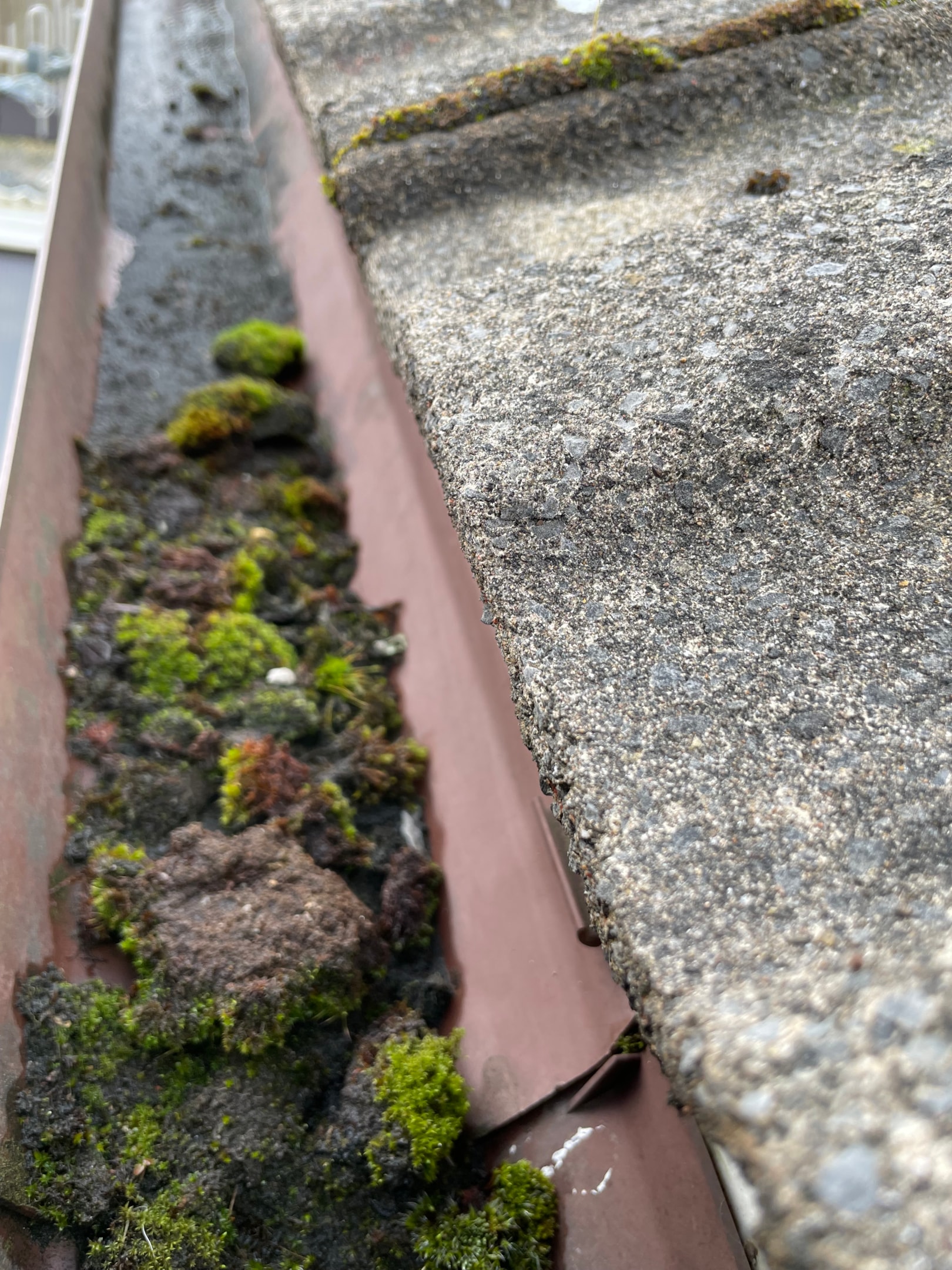
Even on a routine clean, you often find underlying issues like persistent blockages, leaking joints and structural problems. This section is all about solving common problems that homeowners like you run into, focusing on achievable repairs rather than complicated replacement projects.
Challenge 1: Persistent Blocked Downpipes
Problem: Water just backs up during hose testing, despite you taking all the debris out of the gutters. It’s clear there’s a blockage in the downpipe system itself.
Solution: Use some drain rods with the right attachments to clear blockages from accessible downpipe sections—working from the top down. A garden hose with a pressure attachment can dislodge light blockages, while plumber’s snake tools are better for more stubborn ones. Stop DIY attempts if you hit blockages below ground level though. That’s a job for drainage specialists with proper kit and safety procedures.
Challenge 2: Leaking Joints and Seams
The Problem: Water keeps dripping from the unions between different gutter sections, corner joints, or the end caps, particularly in older PVC-U installations that were put in place before 2010.
The solution: Get rid of the old sealant that’s gone bad and give the joint surfaces a good clean before applying some fresh exterior-grade sealant that’s suitable for your gutter type. Make sure the slope of the gutters is just right—not too steep and not too shallow—and that the water is still flowing properly down towards the downpipe outlets. To be honest, replacing a short section is probably a better idea than constantly patching if you’ve got multiple joints all going bad at once, or if there are some underlying bracket problems causing them to separate in the first place.
Challenge 3: Gutters That Won’t Drain Properly
The Problem: Your gutters are full of water after it’s rained, the brackets are pulling away from the fascia board, or you can see that the gutters are sagging and the water’s going up the other way—away from the downpipes.
The Solution: Get out the adjustable spanners and replace any failed brackets using the right fixings for your type of fascia board, then use a string line to get the gutters levelled up again. Give the job a good look over to see if the fascia board behind the brackets is in a state of disrepair too. If it is, you’ll need a joiner in to sort that out before you can re-hang the gutters. If multiple brackets are starting to fail, you really should get a professional in to take a look. If the fascia board is looking a bit ropey too, it’s the same thing.
Challenge 4: Moss and Debris Keeping Coming Back
The Problem: You’ve cleaned your gutters out and then it starts to rain again and they’re all clogged up with moss and debris. This is especially likely if you’ve got trees somewhere nearby that are constantly dropping leaves and twigs into the gutters.
The Solution: Get a professional in to give your roof a good power wash, fit some gutter guards or leaf screens to stop all the debris getting in in the first place, and then work out how often you really need to clean them based on how quickly the debris starts to build up. You might also want to consider cutting back some of the trees nearby a bit, but make sure you leave enough clearance from your house first.
These handy tips and tricks will really help you look after your gutter system, but to do the job properly, you need to know when it’s time to get the professionals in. If you read on, you’ll find some really useful advice on when repairs make more sense than replacing the whole thing entirely.
Conclusion and Next Steps
Regularly cleaning your gutters is one of the most cost-effective ways of stopping water damage from getting out of hand. With a bit of knowledge about how your gutters work and how to take care of them, you should be able to keep them in good nick without breaking the bank. Of course, if you’re not careful, you could end up with some serious problems on your hands, including damp and mould and some really expensive repairs.
So, what do you do first?
- Get out and take a good look at your gutters this week to see if there are any obvious problems that need sorting out
- Decide if DIY cleaning is for you based on how high your gutters are, how confident you are on a ladder, and how easy it is to get to your house
- Either get the necessary gear to do the job yourself or get some quotes from at least three local gutter cleaning companies to compare prices and services
Additional Resources
Health and Safety Executive ladder safety info will give you the lowdown on the safety standards you need to be following when working at height—and that includes gutter cleaning. They’ve got all the latest info on fall prevention and what you need to do to stay safe when working on ladders.
Sample gutter maintenance log templates will help you keep track of when you last cleaned your gutters, what the weather was like, what kind of debris you found, and any other problems that come up. It’s a great way to spot any patterns that might need a professional to take a look.
Trusted trader directories like Checkatrade, Local Heroes, and TrustMark will give you a list of local gutter cleaning professionals who’ve been vetted and checked out. With customer reviews, insurance details, and other information to help you make an informed decision.


