
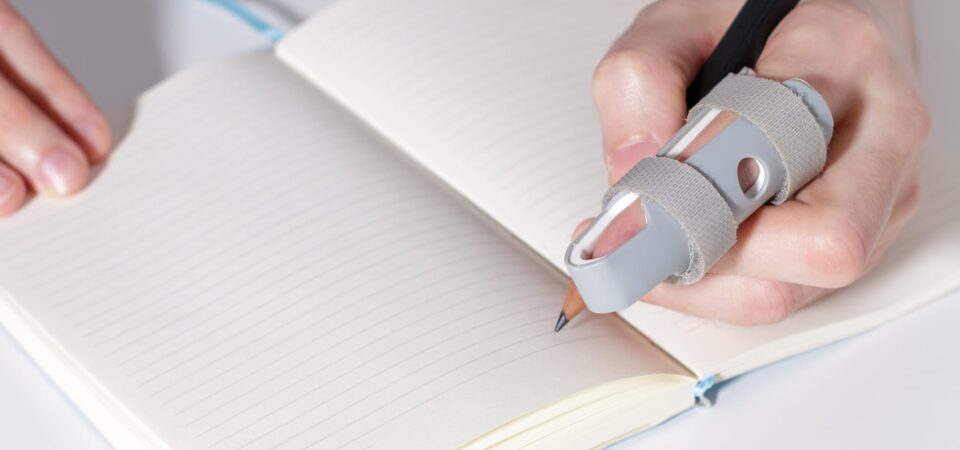
You’ve injured your finger, and now the tip just won’t straighten properly. Maybe it happened during a sport, or maybe you just got a bit careless and knocked it against something. Regardless of how it happened, you might have developed something called mallet finger.
Mallet finger is a fairly common injury that occurs when the tendon used to lift and straighten your fingertip becomes damaged. At first, it might not seem like a big deal, but leave it untreated and you could be in for some long-term problems with finger movement.
The good news is that wearing a mallet finger splint during the healing process can really help support the injured joint. This guide is all about the different types of splints available and what to look for when choosing the right one for your injury.
What Is Mallet Finger and What Are the Symptoms?
There are many different names for mallet finger injury, including “baseball finger” since it commonly occurs in sports associated with catching the ball. It implies damage to the extensor tendon at the fingertip.
This is the tendon which allows you to straighten the finger at the joint located nearest to the fingertip.
Though it is a common sports-related injury, mallet finger can happen in case of any accident damaging the tendon or even fracturing the small bone.
So, here are the symptoms of this condition:
- Bent fingertip: your fingertip has become bent and cannot be straightened.
- Pain or tenderness: there is pain or tenderness in the affected finger joint.
- Swelling: your fingertip is swollen, and there may be some bruising.
- Using the finger is uncomfortable: injury can make some activities involving gripping difficult.
If you don’t get proper treatment, the fingertip can stay bent for good, which is a real shame. And if you leave it too long, you might even get a swan neck deformity, which affects the middle joint of your finger.
How Does a Finger Splint Help with Mallet Finger Treatment?
The main way to treat mallet finger involves keeping the injured fingertip straight while the tendon or bone heals.
A mallet finger splint is designed to hold the DIP joint in position, stopping you from doing any movement that might mess up the healing process.
Typically, the NHS says you’ll need to wear the splint for about 6-8 weeks, depending on how bad the injury was. And during this time, the joint really needs to stay straight all day and all night. Even tiny little bends could really slow down the recovery.
What Types of Mallet Finger Splints Are Out There?
Not all mallet finger splints are made the same way. Some use different materials or have different designs to support the injured joint.
Here are some of the most common types:
- Stack splints: These ones are usually made of rigid plastic, and they cover the fingertip and hold it in place with some medical tape.
- Thermoplastic splints: These can be custom-made by a hand therapist to fit your finger snugly and provide extra support where you need it most.
- Aluminium foam splints: These contain a lightweight metal support with some padding, which can be shaped to support the injured fingertip.
- Ring-style splints: These designs limit movement at specific finger joints, but not all of them can provide the right amount of support for an acute mallet finger injury.
Each design has different characteristics, so the most appropriate option will depend on the nature of your injury.
What to Look For When Choosing a Mallet Finger Splint
Finding the right splint isn’t just about picking a particular material or design. There are also some practical features worth considering, especially when you’ll be wearing it for several weeks.
1. Getting a Comfortable Fit
Your splint should fit snugly but not too tight. You don’t want it to cut off circulation or cause any discomfort.
Your finger might swell after an injury, so you might need to adjust the splint as the swelling changes.
2. Correct Joint Positioning
The splint should support the injured DIP joint in place while allowing your middle joint to move normally.
This distinction is important because unnecessary restriction of all the other joints can contribute to stiffness and make everyday hand movements more difficult.
3. Considering Everyday Practicality
You’re going to be wearing the splint continuously, so you want it to be practical for everyday use.
Look for features such as:
- Lightweight materials that don’t add unnecessary bulk.
- Smooth edges to help minimise skin irritation.
- A design that can be cleaned and dried appropriately.
- Fastenings that are easy to manage with professional guidance.
With all features in mind, you should be able to find a splint that makes your treatment a bit more manageable.
When Should You Get to an NHS Clinic for Some Urgent Help?
If you’ve injured your finger and can no longer straighten the tip, you should seek medical advice.
A healthcare professional can take a look at your injury and, if needed, arrange an X-ray to check for any fractures. They’ll also determine whether splinting is the right plan of action or if you need some specialist treatment.
You should contact your doctor if you start experiencing significant pain, skin problems or circulation issues while wearing your splint.
Can You Keep Moving Your Finger While It’s Healing?
Fortunately, when you’re wearing your splint, you can usually still move the other joints in your finger. But the injured fingertip must remain fixed in position.
Once sufficient healing has occurred, your healthcare professional might recommend hand therapy exercises to help you gradually regain movement and flexibility.
It’s not uncommon for your finger to still feel stiff, swollen or tender for a few months even after the initial splinting is over.
Choosing a Splint That’ll Help Your Finger Heal in Comfort
Choosing the right mallet finger splint means finding one that provides the support your finger needs while remaining comfortable and practical to wear throughout the healing process, which can take several months.
If you aren’t sure which splint to use, speak to a healthcare professional or hand therapist. They can recommend an appropriate option based on your injury and provide guidance for your recovery.


